Key Insights & Summary
Every hand carries its own proportions, from knuckle width to nail bed depth. Selecting the optimal free-edge contour balances finger length, prevents premature corner fractures, and elevates any lacquer finish from ordinary to effortless sophistication.
The Anatomy of Natural Proportions
Finding your signature shape begins by examining two anatomical markers: the natural curve of your eponychium (cuticle line) and the ratio of your nail bed length to finger width. When the free-edge silhouette harmonizes with your cuticle arch, the hand immediately appears elongated and balanced.
"Nail architecture is visual tailoring. A shape should never fight against the anatomy of the finger; it should seamlessly extend its natural lines."
— Atelier Nail Design Guide
Popular Nail Silhouettes and Their Best Matches
Consider how these five classic contours interact with varied hand proportions:
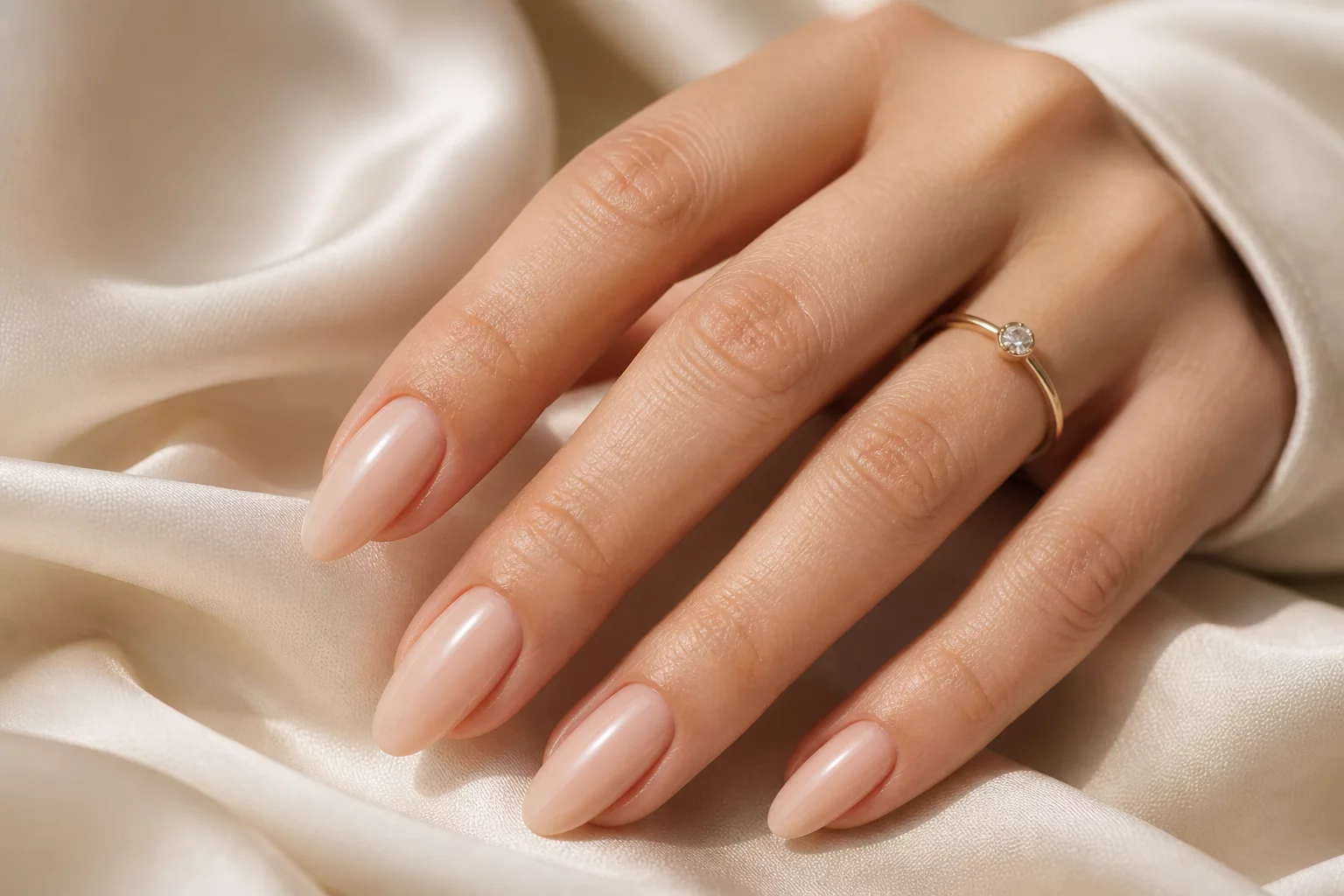
- Almond: Gently tapered sides with a rounded point create an optical slimming effect, ideal for shorter fingers and wider nail beds.
- Oval: Softly curved contours mirror rounded cuticles and flatter nearly all hand types while maintaining moderate structural strength.
- Squoval: Straight horizontal edge combined with smoothly rounded corners offers resilience against chipping for active daily routines.
- Square: Sharp, parallel sidewalls and crisp 90-degree corners accentuate long, slender fingers and narrow nail beds.
- Coffin (Ballerina): Long tapered sides with a blunt horizontal tip deliver maximum modern drama when sculpted over durable gel or acrylic extensions.
Filing Precision Technique
Always glide your glass or fine-grit file in a single fluid direction from outer sidewall toward the center. Sawing back and forth causes micro-fissures along the free edge that lead to unexpected peeling.
Reader Discussion & Community Notes
0 CommentsNo comments yet. Be the first to share which nail shape flatters your hands!